
Inclusive Playground Design
繁體中文資訊 简体中文信息 ਪੰਜਾਬੀ ਜਾਣਕਾਰੀ Informacion en español Impormasyon sa Tagalog Thông tin bằng Tiếng Việt
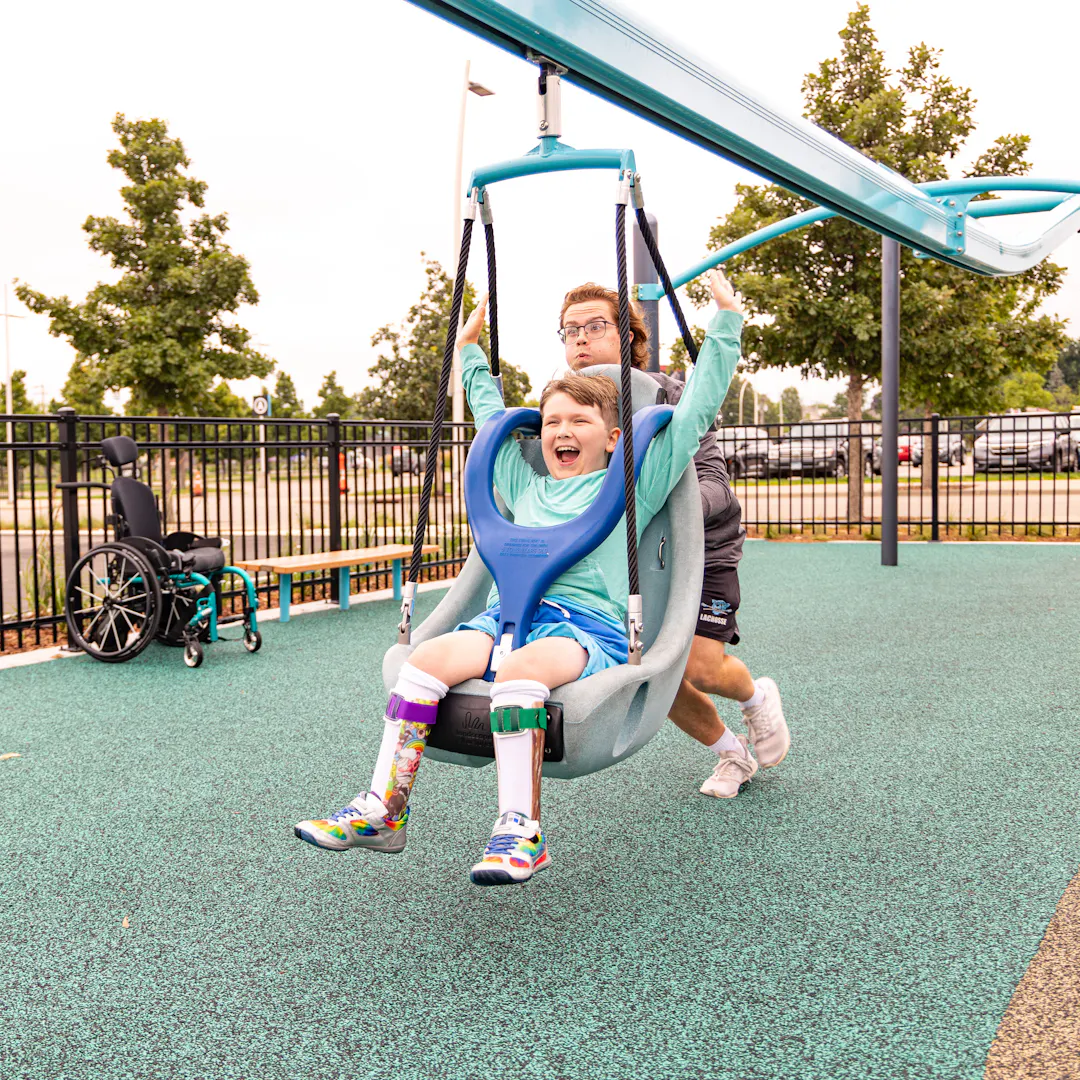
The Vancouver Board of Parks and Recreation is beginning an initiative to make playgrounds more inclusive. We are creating new guidelines for designing inclusive playgrounds across the city. These guidelines will also help us plan an inclusive destination playground at Memorial South Park.
Check out our info sheet to learn more (PDF, 102 MB).
Next steps
Spring 2026 engagement is now closed. For a summary of what we heard, please see our engagement report (PDF, 2 MB). Community feedback will help inform the Inclusive Play Design Guidelines and the draft concept design for the Memorial South Park Inclusive Destination Playground. We are at work developing these now, and will share them with the public in late 2026-early 2027.
Get involved!
- Join the mailing list to receive project updates (sign-up form on right-hand side of this page).
- Read the engagement summary (PDF, 2 MB).
繁體中文資訊 简体中文信息 ਪੰਜਾਬੀ ਜਾਣਕਾਰੀ Informacion en español Impormasyon sa Tagalog Thông tin bằng Tiếng Việt
The Vancouver Board of Parks and Recreation is beginning an initiative to make playgrounds more inclusive. We are creating new guidelines for designing inclusive playgrounds across the city. These guidelines will also help us plan an inclusive destination playground at Memorial South Park.
Check out our info sheet to learn more (PDF, 102 MB).
Next steps
Spring 2026 engagement is now closed. For a summary of what we heard, please see our engagement report (PDF, 2 MB). Community feedback will help inform the Inclusive Play Design Guidelines and the draft concept design for the Memorial South Park Inclusive Destination Playground. We are at work developing these now, and will share them with the public in late 2026-early 2027.
Get involved!
- Join the mailing list to receive project updates (sign-up form on right-hand side of this page).
- Read the engagement summary (PDF, 2 MB).
-
Public engagement results
Share Public engagement results on Facebook Share Public engagement results on X (formerly Twitter) Share Public engagement results on Linkedin Email Public engagement results linkThank you to everyone who took the time to participate in public engagement for the Inclusive Playground Design project.
From May 5 to 31, community members shared their ideas, experiences, and priorities for inclusive play through our online survey and at our pop-up booth at the Memorial South Park Centennial Celebration.
We have now published the engagement summary (PDF, 2 MB), which highlights the key themes and feedback we heard from participants. Read the report to learn more about what we heard. This input will inform the Inclusive Play Design Guidelines and the draft concept plan for Memorial South Park Inclusive Destination Playground.Thank you to everyone who took the time to participate in public engagement for the Inclusive Playground Design project.
From May 5 to 31, community members shared their ideas, experiences, and priorities for inclusive play through our online survey and at our pop-up booth at the Memorial South Park Centennial Celebration.
We have now published the engagement summary (PDF, 2 MB), which highlights the key themes and feedback we heard from participants. Read the report to learn more about what we heard. This input will inform the Inclusive Play Design Guidelines and the draft concept plan for Memorial South Park Inclusive Destination Playground. -
Inclusive Play Design guidelines
Share Inclusive Play Design guidelines on Facebook Share Inclusive Play Design guidelines on X (formerly Twitter) Share Inclusive Play Design guidelines on Linkedin Email Inclusive Play Design guidelines linkThe Inclusive Play Design Guidelines will help us make playgrounds easy to access, safe to use, and welcoming for everyone. To develop the guidelines, we are:
- Getting input from the community,
- Asking for advice from accessibility and play experts, and
- Reviewing inclusivity best practices to learn what is working in other places.
The Inclusive Play Design Guidelines will help us make playgrounds easy to access, safe to use, and welcoming for everyone. To develop the guidelines, we are:
- Getting input from the community,
- Asking for advice from accessibility and play experts, and
- Reviewing inclusivity best practices to learn what is working in other places.
-
Inclusive Playground Design project goals
Share Inclusive Playground Design project goals on Facebook Share Inclusive Playground Design project goals on X (formerly Twitter) Share Inclusive Playground Design project goals on Linkedin Email Inclusive Playground Design project goals linkThe goals of this work include:
- Building inclusive, accessible playgrounds. We want playgrounds to be safe, welcoming, and easy for everyone to use. All children should be able to take part in active play and spend time with others.
- Helping people connect. We aim to make spaces where kids, caregivers, and community members can meet, talk, and spend time together.
- Offering different kinds of play. Playgrounds should offer a mix of activities with different levels of challenge. This helps children with different needs take part in ways that feel right for them.
- Going beyond basic requirements. We want playgrounds that reflect the diversity of the people who use them. This means thinking about sensory, emotional, cultural, and physical needs, along with accessibility.
This work supports the Park Board’s goals to improve inclusive play in Vancouver. It aligns with the City of Vancouver Accessibility Strategy (2025), VanPlay (2020), the 2024 motion for an Inclusive and Accessible Sensory Park (PDF, 1383 KB) and other Park Board directions to create inclusive and accessible playgrounds.
The goals of this work include:
- Building inclusive, accessible playgrounds. We want playgrounds to be safe, welcoming, and easy for everyone to use. All children should be able to take part in active play and spend time with others.
- Helping people connect. We aim to make spaces where kids, caregivers, and community members can meet, talk, and spend time together.
- Offering different kinds of play. Playgrounds should offer a mix of activities with different levels of challenge. This helps children with different needs take part in ways that feel right for them.
- Going beyond basic requirements. We want playgrounds that reflect the diversity of the people who use them. This means thinking about sensory, emotional, cultural, and physical needs, along with accessibility.
This work supports the Park Board’s goals to improve inclusive play in Vancouver. It aligns with the City of Vancouver Accessibility Strategy (2025), VanPlay (2020), the 2024 motion for an Inclusive and Accessible Sensory Park (PDF, 1383 KB) and other Park Board directions to create inclusive and accessible playgrounds.
-
Memorial South Destination Playground
Share Memorial South Destination Playground on Facebook Share Memorial South Destination Playground on X (formerly Twitter) Share Memorial South Destination Playground on Linkedin Email Memorial South Destination Playground linkWe are renewing the playground at Memorial South Park. The Park Board set a goal (PDF, 273 KB) of creating five inclusive destination playgrounds across Vancouver by 2040. Memorial South Park will be the first of these playgrounds. It will be the first place where we put the Inclusive Play Design Guidelines into practice.
We are renewing the playground at Memorial South Park. The Park Board set a goal (PDF, 273 KB) of creating five inclusive destination playgrounds across Vancouver by 2040. Memorial South Park will be the first of these playgrounds. It will be the first place where we put the Inclusive Play Design Guidelines into practice.
-
Key terms
Share Key terms on Facebook Share Key terms on X (formerly Twitter) Share Key terms on Linkedin Email Key terms linkAn inclusive play space is a place where people of all ages, abilities, and cultures feel welcome to play and spend time together. It is designed so people can easily get there, move around safely and comfortably, and take part in many different play experiences, activities, and challenges. An inclusive play space includes the equipment, pathways, seating, shade, washrooms, gathering spaces, and other features that support the whole play experience. It uses principles of inclusion and accessibility so that people with different needs, abilities, and backgrounds can choose how they play, participate, and enjoy the space for as long as they wish. (Adapted from: Everyone Can Play: A Guideline to Inclusive Playspaces, Government of NSW, 2023)
Accessibility means removing barriers so everyone can take part in community life and have equal opportunities to contribute, participate, and benefit. Barriers can be physical, like stairs or narrow doorways; communication barriers, like information that is hard to read or understand; or social barriers, like unfair treatment or exclusion. Accessibility is important because it helps people feel included, respected, and able to participate in all parts of life, including social, cultural, economic, spiritual, and political activities.
People may experience barriers in different ways based on many parts of their identity, such as disability, age, culture, gender, language, income, or family background. These different experiences can overlap and sometimes create extra barriers. By identifying and removing these barriers, accessibility helps more people feel welcome, belong, and fully participate in their communities. (Adapted from COV Accessibility Strategy)
Ableism is a way of thinking and organizing society that treats people with disabilities as less capable, less valuable, or less important than people without disabilities. It can lead to people with disabilities being excluded, treated unfairly, ignored, or denied support and opportunities. Ableism can affect how buildings, services, workplaces, schools, and communities are designed, often making it harder for people with disabilities to participate. People may experience ableism starting from birth, or after becoming disabled at any point in life. Ableism often overlaps with other forms of unfair treatment and can create barriers that affect a person’s dignity, choices, participation, and sense of belonging. (Adapted from COV Accessibility Strategy)
Barriers are anything that makes it harder for a person with a disability to fully and equally take part in everyday life. Barriers can affect how people access places, services, information, opportunities, or relationships. They may be physical, communication, social, financial, or organizational. Some people may face additional or more complex barriers because of other parts of who they are, such as their age, culture, gender, language, income, or other experiences of unfair treatment. (Adapted from COV Accessibility Strategy)
Caregiver: A person who helps take care of someone else, such as a parent, family member, or support worker. (Adapted from Family Caregivers of British Columbia and Statistics Canada)
Cultural Inclusion: Making sure people from all cultures feel welcome, respected, and included. (Adapted from the UNESCO Declaration on Cultural Diversity)
Disability includes physical, mental health, cognitive, intellectual, sensory, or age-related conditions that may affect how a person moves, communicates, learns, processes information, or experiences the world. Barriers in the environment, services, systems, or attitudes make it harder for a person with disabilities to fully and equally take part in everyday life. Disabilities may be visible or invisible, and they may be permanent, temporary, or come and go over time. People may also experience disability in different ways depending on other parts of who they are, such as their age, culture, gender, language, income, or life experiences. (Adapted from COV Accessibility Strategy)
Equity means creating access in ways that recognise that people do not all start from the same place or have the same needs. For people with disabilities, equitable approaches focus on removing barriers and providing the supports, adjustments, or opportunities each person may need to fully participate. Equity is different from equality. Equality means giving everyone the same thing or treating everyone the same. Equity means providing different kinds of support based on a person’s needs so everyone has a fair opportunity to participate, belong, and succeed. (Adapted from COV Accessibility Strategy)
Inclusion is a way of thinking and acting that celebrates diversity and differences. Inclusivity means that everyone has something of value to offer, and that everyone has a right to belong. (Adapted from multiple sources: Alberta Education, cited in Creating Accessible Play Spaces, Rick Hansen Foundation, 2020; and Inclusive Play Design Guideline, Playworld, 2019)
Universal design means designing products, places, and spaces so they are welcoming, attractive, and usable by as many people as possible, regardless of their age, ability, or stage of life. Universal design aims to make things easier to access, understand, and use from the start, without the need for special adaptations wherever possible. It is often used in the design of buildings, housing, public spaces, products, transportation systems, and other parts of everyday life so that more people can use them safely, comfortably, and independently. Universal design is guided by seven principles:
- Equitable use means a space, product, or service is designed to work well for people with different abilities, needs, and backgrounds. It is useful, welcoming, and accessible to as many people as possible.
- Flexibility in use means a design can support different ways of using it. It allows people to choose the methods, positions, tools, or supports that work best for them.
- Simple and intuitive use means a design is easy to understand and use, even for people with different levels of experience, knowledge, language, energy, or literacy.
- Perceptible information means important information is shared in clear ways that people can notice, understand, and use, including people with different sensory, communication, or learning needs.
- Tolerance for error means a design helps prevent mistakes and reduces the risk of harm if someone makes an accidental or unintended action.
- Low physical effort means a design can be used comfortably, safely, and efficiently without causing unnecessary strain, fatigue, or discomfort.
- Size and space for approach and use means there is enough room for people to reach, move, turn, interact with, and use a space or object comfortably, regardless of their body size, posture, mobility, or use of mobility aids.
(Adapted from the COV Accessibility Strategy and the Centre for Excellence in Universal Design)
An inclusive play space is a place where people of all ages, abilities, and cultures feel welcome to play and spend time together. It is designed so people can easily get there, move around safely and comfortably, and take part in many different play experiences, activities, and challenges. An inclusive play space includes the equipment, pathways, seating, shade, washrooms, gathering spaces, and other features that support the whole play experience. It uses principles of inclusion and accessibility so that people with different needs, abilities, and backgrounds can choose how they play, participate, and enjoy the space for as long as they wish. (Adapted from: Everyone Can Play: A Guideline to Inclusive Playspaces, Government of NSW, 2023)
Accessibility means removing barriers so everyone can take part in community life and have equal opportunities to contribute, participate, and benefit. Barriers can be physical, like stairs or narrow doorways; communication barriers, like information that is hard to read or understand; or social barriers, like unfair treatment or exclusion. Accessibility is important because it helps people feel included, respected, and able to participate in all parts of life, including social, cultural, economic, spiritual, and political activities.
People may experience barriers in different ways based on many parts of their identity, such as disability, age, culture, gender, language, income, or family background. These different experiences can overlap and sometimes create extra barriers. By identifying and removing these barriers, accessibility helps more people feel welcome, belong, and fully participate in their communities. (Adapted from COV Accessibility Strategy)
Ableism is a way of thinking and organizing society that treats people with disabilities as less capable, less valuable, or less important than people without disabilities. It can lead to people with disabilities being excluded, treated unfairly, ignored, or denied support and opportunities. Ableism can affect how buildings, services, workplaces, schools, and communities are designed, often making it harder for people with disabilities to participate. People may experience ableism starting from birth, or after becoming disabled at any point in life. Ableism often overlaps with other forms of unfair treatment and can create barriers that affect a person’s dignity, choices, participation, and sense of belonging. (Adapted from COV Accessibility Strategy)
Barriers are anything that makes it harder for a person with a disability to fully and equally take part in everyday life. Barriers can affect how people access places, services, information, opportunities, or relationships. They may be physical, communication, social, financial, or organizational. Some people may face additional or more complex barriers because of other parts of who they are, such as their age, culture, gender, language, income, or other experiences of unfair treatment. (Adapted from COV Accessibility Strategy)
Caregiver: A person who helps take care of someone else, such as a parent, family member, or support worker. (Adapted from Family Caregivers of British Columbia and Statistics Canada)
Cultural Inclusion: Making sure people from all cultures feel welcome, respected, and included. (Adapted from the UNESCO Declaration on Cultural Diversity)
Disability includes physical, mental health, cognitive, intellectual, sensory, or age-related conditions that may affect how a person moves, communicates, learns, processes information, or experiences the world. Barriers in the environment, services, systems, or attitudes make it harder for a person with disabilities to fully and equally take part in everyday life. Disabilities may be visible or invisible, and they may be permanent, temporary, or come and go over time. People may also experience disability in different ways depending on other parts of who they are, such as their age, culture, gender, language, income, or life experiences. (Adapted from COV Accessibility Strategy)
Equity means creating access in ways that recognise that people do not all start from the same place or have the same needs. For people with disabilities, equitable approaches focus on removing barriers and providing the supports, adjustments, or opportunities each person may need to fully participate. Equity is different from equality. Equality means giving everyone the same thing or treating everyone the same. Equity means providing different kinds of support based on a person’s needs so everyone has a fair opportunity to participate, belong, and succeed. (Adapted from COV Accessibility Strategy)
Inclusion is a way of thinking and acting that celebrates diversity and differences. Inclusivity means that everyone has something of value to offer, and that everyone has a right to belong. (Adapted from multiple sources: Alberta Education, cited in Creating Accessible Play Spaces, Rick Hansen Foundation, 2020; and Inclusive Play Design Guideline, Playworld, 2019)
Universal design means designing products, places, and spaces so they are welcoming, attractive, and usable by as many people as possible, regardless of their age, ability, or stage of life. Universal design aims to make things easier to access, understand, and use from the start, without the need for special adaptations wherever possible. It is often used in the design of buildings, housing, public spaces, products, transportation systems, and other parts of everyday life so that more people can use them safely, comfortably, and independently. Universal design is guided by seven principles:
- Equitable use means a space, product, or service is designed to work well for people with different abilities, needs, and backgrounds. It is useful, welcoming, and accessible to as many people as possible.
- Flexibility in use means a design can support different ways of using it. It allows people to choose the methods, positions, tools, or supports that work best for them.
- Simple and intuitive use means a design is easy to understand and use, even for people with different levels of experience, knowledge, language, energy, or literacy.
- Perceptible information means important information is shared in clear ways that people can notice, understand, and use, including people with different sensory, communication, or learning needs.
- Tolerance for error means a design helps prevent mistakes and reduces the risk of harm if someone makes an accidental or unintended action.
- Low physical effort means a design can be used comfortably, safely, and efficiently without causing unnecessary strain, fatigue, or discomfort.
- Size and space for approach and use means there is enough room for people to reach, move, turn, interact with, and use a space or object comfortably, regardless of their body size, posture, mobility, or use of mobility aids.
(Adapted from the COV Accessibility Strategy and the Centre for Excellence in Universal Design)
-
繁體中文資訊 | Information in Traditional Chinese
Share 繁體中文資訊 | Information in Traditional Chinese on Facebook Share 繁體中文資訊 | Information in Traditional Chinese on X (formerly Twitter) Share 繁體中文資訊 | Information in Traditional Chinese on Linkedin Email 繁體中文資訊 | Information in Traditional Chinese link設計共融遊樂場
攜手打造溫哥華的共融遊樂場設計
溫哥華現有超過150個遊樂場,其中不少建於我們對「共融遊戲」理解尚未成熟的年代。本項目旨在確保未來建設的遊樂場,能夠更好地滿足所有兒童、家庭及照顧者的需要。
請於 2026 年 5 月 31 日前完成我們的網上問卷調查。
如欲以繁体中文提交意見,請於 2026 年 5 月 31 日前致電 3-1-1熱線。客服人員將會為您接通口譯人員,協助您完成問卷調查
-
简体中文信息 | Information in Simplified Chinese
Share 简体中文信息 | Information in Simplified Chinese on Facebook Share 简体中文信息 | Information in Simplified Chinese on X (formerly Twitter) Share 简体中文信息 | Information in Simplified Chinese on Linkedin Email 简体中文信息 | Information in Simplified Chinese link设计包容性游乐场
携手打造温哥华的包容性游乐场设计
温哥华现有超过150个游乐场,其中不少建于我们对“包容性游乐”理解尚未成熟的年代。本项目旨在确保未来建设的游乐场,能够更好地满足所有儿童、家庭及照顾者的需要。
请于2026年5月31日之前完成我们的网上问卷调查 。
如欲以简体中文提交意见,请于2026 年5月31日前致电 3-1-1热线。客服人员将会为您接通口译人员,协助您完成问卷调查。
-
ਪੰਜਾਬੀ ਜਾਣਕਾਰੀ | Information in Punjabi
Share ਪੰਜਾਬੀ ਜਾਣਕਾਰੀ | Information in Punjabi on Facebook Share ਪੰਜਾਬੀ ਜਾਣਕਾਰੀ | Information in Punjabi on X (formerly Twitter) Share ਪੰਜਾਬੀ ਜਾਣਕਾਰੀ | Information in Punjabi on Linkedin Email ਪੰਜਾਬੀ ਜਾਣਕਾਰੀ | Information in Punjabi linkਸਮਾਵੇਸ਼ੀ ਖੇਡ ਦੇ ਮੈਦਾਨਾਂ ਨੂੰ ਡਿਜ਼ਾਈਨ ਕਰਨਾ
ਵੈਨਕੂਵਰ ਵਿੱਚ ਸਮਾਵੇਸ਼ੀ ਖੇਡ ਦੇ ਮੈਦਾਨ ਦੇ ਡਿਜ਼ਾਈਨ ਨੂੰ ਆਕਾਰ ਦੇਣ ਵਿੱਚ ਮਦਦ ਕਰੋ
ਵੈਨਕੂਵਰ ਵਿੱਚ 150 ਤੋਂ ਵੱਧ ਖੇਡ ਦੇ ਮੈਦਾਨ ਹਨ। ਅਸੀਂ ਅੱਜ ਦੀ ਸਮਾਵੇਸ਼ੀ ਖੇਡ ਦੀ ਸਮਝ ਤੋਂ ਪਹਿਲਾਂ ਹੀ ਉਨ੍ਹਾਂ ਵਿੱਚੋਂ ਬਹੁਤ ਸਾਰੇ ਬਣਾਏ ਹਨ। ਇਹ ਪ੍ਰੋਜੈਕਟ ਇਹ ਯਕੀਨੀ ਬਣਾਉਣ ਵਿੱਚ ਮਦਦ ਕਰੇਗਾ ਕਿ ਸਾਡੇ ਦੁਆਰਾ ਬਣਾਏ ਗਏ ਖੇਡ ਦੇ ਮੈਦਾਨ ਸਾਰੇ ਬੱਚਿਆਂ, ਪਰਿਵਾਰਾਂ ਅਤੇ ਦੇਖਭਾਲ ਕਰਨ ਵਾਲਿਆਂ ਲਈ ਵਧੀਆ ਕੰਮ ਕਰਨ।
31 ਮਈ, 2026 ਤੱਕ ਸਾਡੇ ਆਨਲਾਈਨ ਸਰਵੇਖਣ ਵਿੱਚ ਭਾਗ ਲਓ ।
ਪੰਜਾਬੀ ਵਿੱਚ ਆਪਣਾ ਸੁਝਾਅ ਸਾਂਝਾ ਕਰਨ ਲਈ , 31 ਮਈ, 2026 ਤੱਕ 3-1-1 'ਤੇ ਕਾਲ ਕਰੋ। ਇੱਕ ਗਾਹਕ ਸੇਵਾ ਏਜੰਟ ਸਰਵੇਖਣ ਨੂੰ ਪੂਰਾ ਕਰਨ ਵਿੱਚ ਤੁਹਾਡੀ ਮਦਦ ਕਰਨ ਲਈ ਤੁਹਾਨੂੰ ਇੱਕ ਦੁਭਾਸ਼ੀਏ ਨਾਲ ਜੋੜੇਗੀ।
ਸਮਾਵੇਸ਼ੀ ਖੇਡ ਦੇ ਮੈਦਾਨਾਂ ਨੂੰ ਡਿਜ਼ਾਈਨ ਕਰਨਾ
ਵੈਨਕੂਵਰ ਵਿੱਚ ਸਮਾਵੇਸ਼ੀ ਖੇਡ ਦੇ ਮੈਦਾਨ ਦੇ ਡਿਜ਼ਾਈਨ ਨੂੰ ਆਕਾਰ ਦੇਣ ਵਿੱਚ ਮਦਦ ਕਰੋ
ਵੈਨਕੂਵਰ ਵਿੱਚ 150 ਤੋਂ ਵੱਧ ਖੇਡ ਦੇ ਮੈਦਾਨ ਹਨ। ਅਸੀਂ ਅੱਜ ਦੀ ਸਮਾਵੇਸ਼ੀ ਖੇਡ ਦੀ ਸਮਝ ਤੋਂ ਪਹਿਲਾਂ ਹੀ ਉਨ੍ਹਾਂ ਵਿੱਚੋਂ ਬਹੁਤ ਸਾਰੇ ਬਣਾਏ ਹਨ। ਇਹ ਪ੍ਰੋਜੈਕਟ ਇਹ ਯਕੀਨੀ ਬਣਾਉਣ ਵਿੱਚ ਮਦਦ ਕਰੇਗਾ ਕਿ ਸਾਡੇ ਦੁਆਰਾ ਬਣਾਏ ਗਏ ਖੇਡ ਦੇ ਮੈਦਾਨ ਸਾਰੇ ਬੱਚਿਆਂ, ਪਰਿਵਾਰਾਂ ਅਤੇ ਦੇਖਭਾਲ ਕਰਨ ਵਾਲਿਆਂ ਲਈ ਵਧੀਆ ਕੰਮ ਕਰਨ।
31 ਮਈ, 2026 ਤੱਕ ਸਾਡੇ ਆਨਲਾਈਨ ਸਰਵੇਖਣ ਵਿੱਚ ਭਾਗ ਲਓ ।
ਪੰਜਾਬੀ ਵਿੱਚ ਆਪਣਾ ਸੁਝਾਅ ਸਾਂਝਾ ਕਰਨ ਲਈ , 31 ਮਈ, 2026 ਤੱਕ 3-1-1 'ਤੇ ਕਾਲ ਕਰੋ। ਇੱਕ ਗਾਹਕ ਸੇਵਾ ਏਜੰਟ ਸਰਵੇਖਣ ਨੂੰ ਪੂਰਾ ਕਰਨ ਵਿੱਚ ਤੁਹਾਡੀ ਮਦਦ ਕਰਨ ਲਈ ਤੁਹਾਨੂੰ ਇੱਕ ਦੁਭਾਸ਼ੀਏ ਨਾਲ ਜੋੜੇਗੀ।
-
Informacion en español | Information in Spanish
Share Informacion en español | Information in Spanish on Facebook Share Informacion en español | Information in Spanish on X (formerly Twitter) Share Informacion en español | Information in Spanish on Linkedin Email Informacion en español | Information in Spanish linkDiseño de parques infantiles inclusivos
Ayúdanos a diseñar parques infantiles inclusivos en Vancouver
Vancouver cuenta con más de 150 parques infantiles. Muchos de ellos fueron construidos antes de que existiera la concepción actual del juego inclusivo. Este proyecto contribuirá a garantizar que los parques infantiles que construyamos sean adecuados para todos los niños, las familias y los cuidadores.
Responde nuestra encuesta en línea a más tardar el 31 de mayo de 2026.
Para compartir tus comentarios en español, llama al 3-1-1 a más tardar el 31 de mayo de 2026. Un agente de atención al cliente te pondrá en contacto con un intérprete para ayudarte a completar la encuesta.
Diseño de parques infantiles inclusivos
Ayúdanos a diseñar parques infantiles inclusivos en Vancouver
Vancouver cuenta con más de 150 parques infantiles. Muchos de ellos fueron construidos antes de que existiera la concepción actual del juego inclusivo. Este proyecto contribuirá a garantizar que los parques infantiles que construyamos sean adecuados para todos los niños, las familias y los cuidadores.
Responde nuestra encuesta en línea a más tardar el 31 de mayo de 2026.
Para compartir tus comentarios en español, llama al 3-1-1 a más tardar el 31 de mayo de 2026. Un agente de atención al cliente te pondrá en contacto con un intérprete para ayudarte a completar la encuesta.
-
Impormasyon sa Tagalog | Information in Tagalog
Share Impormasyon sa Tagalog | Information in Tagalog on Facebook Share Impormasyon sa Tagalog | Information in Tagalog on X (formerly Twitter) Share Impormasyon sa Tagalog | Information in Tagalog on Linkedin Email Impormasyon sa Tagalog | Information in Tagalog linkPagdidisenyo ng mga Inklusibong Palaruan
Tumulong sa Paghubog ng Disenyo ng Inklusibong Palaruan sa Vancouver
Ang Vancouver ay may mahigit 150 palaruan. Marami sa mga ito ang naitayo namin bago pa man ang kasalukuyang pag-unawa sa inklusibong paglalaro. Ang proyektong ito ay makakatulong upang matiyak na ang mga palaruan na aming itinatayo ay magiging maayos para sa lahat ng mga bata, pamilya, at tagapag-alaga.
Sagutan ang aming online survey bago ang Mayo 31, 2026.
Para ibahagi ang iyong input sa Tagalog, tumawag sa 3-1-1 bago ang Mayo 31, 2026. Ikokonekta ka ng isang ahente ng Customer Service sa isang interpreter upang matulungan kang makumpleto ang survey.
Pagdidisenyo ng mga Inklusibong Palaruan
Tumulong sa Paghubog ng Disenyo ng Inklusibong Palaruan sa Vancouver
Ang Vancouver ay may mahigit 150 palaruan. Marami sa mga ito ang naitayo namin bago pa man ang kasalukuyang pag-unawa sa inklusibong paglalaro. Ang proyektong ito ay makakatulong upang matiyak na ang mga palaruan na aming itinatayo ay magiging maayos para sa lahat ng mga bata, pamilya, at tagapag-alaga.
Sagutan ang aming online survey bago ang Mayo 31, 2026.
Para ibahagi ang iyong input sa Tagalog, tumawag sa 3-1-1 bago ang Mayo 31, 2026. Ikokonekta ka ng isang ahente ng Customer Service sa isang interpreter upang matulungan kang makumpleto ang survey.
-
Spring 2026
Inclusive Playground Design has finished this stageGetting started
Project planning and initiation
-
Late spring 2026
Inclusive Playground Design has finished this stagePublic engagement: designing inclusive playgrounds
Confirm inclusive play priorities with public and interest holders
-
Summer–fall 2026
Inclusive Playground Design is currently at this stageConcept design development
Develop city‑wide Inclusive Playground Design Guidelines and draft concept plan for inclusive destination playground at Memorial South Park
-
Late 2026–early 2027
this is an upcoming stage for Inclusive Playground DesignReport back
Share draft inclusive destination playground concept design with public and present to elected Park Board for decision
-
2027–2028
this is an upcoming stage for Inclusive Playground DesignImplementation
Detailed design and construction of inclusive destination playground
- City of Vancouver Accessibility Strategy (2025)
- VanPlay: principles for play areas (2020) (PDF, 273 KB)
- VanPlay Playbook: safe, clean, and accessible parks (2020) (PDF, 3.9 MB)
- VanPlay: Vancouver’s Parks and Recreation Services Master Plan (2020)
- Park Board Decision - Accessible and Inclusive Design Guidelines for Playgrounds (2022) (PDF, 156 KB)
- Park Board Decision - Creating Vancouver's First Inclusive and Accessible Sensory Park for Children (2024) (PDF, 166 KB)
-
 Public engagement summary spring 2026 (PDF 2 MB)
-
Inclusive Playground Design Info Sheet English (PDF 102 KB)
-
繁體中文資訊 - Inclusive Playground Design Info Sheet Traditional Chinese (322 KB)
-
简体中文信息 - Inclusive Playground Design Info Sheet Simplified Chinese (326 KB)
-
ਪੰਜਾਬੀ ਜਾਣਕਾਰੀ - Inclusive Playground Design Info Sheet Punjabi (173 KB)
-
Informacion en español - Inclusive Playground Design Info Sheet Spanish (176 KB)
-
Impormasyon sa Tagalog - Inclusive Playground Design Info Sheet Tagalog (86 KB)
-
Thông tin bằng Tiếng Việt - Inclusive Playground Design Info Sheet Vietnamese (111 KB)

-
Inclusive Playground Design Project Team